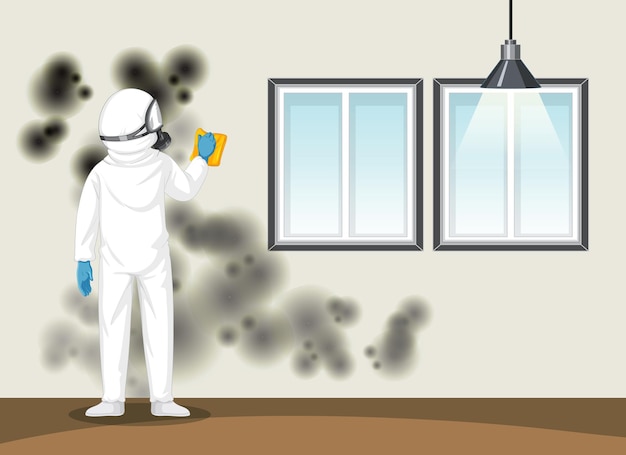
Quick Emergency Water Damage Restoration Nearby
Water damage can strike unexpectedly, causing significant distress and damage to properties. Whether it's due to natural disasters, plumbing failures, or other unforeseen events, dealing with the aftermath can be daunting. Quick and effective restoration is essential to minimize damage and restore normalcy. This article explores key aspects of emergency water damage restoration, providing valuable insights for those seeking immediate assistance.
Understanding Water Damage
Water damage is a common issue that can arise from various sources, including:
- Severe weather conditions like hurricanes or heavy rain.
- Broken or leaking pipes.
- Overflowing sinks, bathtubs, or toilets.
- Malfunctioning appliances such as dishwashers or washing machines.
- Structural damage leading to roof leaks.
Each of these scenarios can lead to significant property damage, necessitating prompt action to mitigate further harm.
The Importance of Quick Action
When faced with water damage, time is of the essence. Delayed response can exacerbate the situation, leading to:
- Mold growth within 24 to 48 hours.
- Structural damage to walls, floors, and ceilings.
- Potential health hazards due to mold and bacterial growth.
- Increased repair and restoration costs.
Immediate action helps prevent these issues, ensuring a safer environment and reducing long-term costs. Read more about this topic.
Steps in Water Damage Restoration
1. Assessment and Inspection
The first step involves a thorough assessment to determine the extent of the damage. This includes:
- Identifying the source of the water.
- Classifying the type of water involved (clean, gray, or black).
- Assessing the level of damage to the property.
Accurate assessment ensures effective planning and execution of the restoration process.
2. Water Removal and Extraction
Once the assessment is complete, the next step involves removing standing water. This is usually done using specialized equipment such as pumps and vacuums, and is crucial in preventing further damage. Learn more in this detailed guide.
3. Drying and Dehumidification
After water removal, the affected areas need to be thoroughly dried to prevent mold growth. Industrial-grade dehumidifiers and air movers are typically used to ensure all moisture is eliminated.
4. Cleaning and Sanitization
Cleaning is a critical step to remove contaminants and prevent mold growth. This includes disinfecting surfaces and ensuring that any salvageable items are properly cleaned and sanitized. Explore further insights here.
5. Restoration and Repairs
The final step involves restoring the property to its pre-damage condition. This may include minor repairs like drywall replacement or extensive reconstruction depending on the damage severity.
Finding Emergency Restoration Services Nearby
In the event of water damage, finding a reliable and quick restoration service is vital. Consider the following tips:
- Search for services that offer 24/7 emergency response.
- Ensure they have certified and experienced personnel.
- Look for companies with positive reviews and testimonials.
- Check for comprehensive services that include assessment, extraction, drying, and restoration.
Quick and efficient restoration services can significantly reduce the impact of water damage. Find additional information here.
Conclusion
Water damage requires immediate attention to prevent further complications and costly repairs. Understanding the restoration process and knowing how to find reliable services nearby can make a significant difference. By taking prompt action and following the outlined steps, property owners can effectively manage water damage and restore their spaces to normal functionality.